
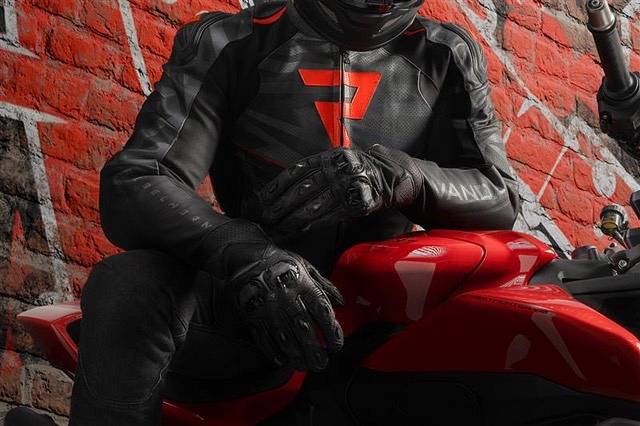
Good motorcycle gloves for long-distance riding should offer a secure grip on the handlebars, protection against injury, and comfort over many hours in the saddle. Key factors include anti-slip materials, protective elements, and an ergonomic design that reduces hand fatigue. How can you identify models worth considering? Here’s what to look for.
What features ensure the best grip?
During long-distance riding, control of the bike depends heavily on grip. Wet hands, sweat, or poor materials can significantly reduce safety. The following elements are responsible for secure grip and precision:
- Kangaroo or goatskin leather – thinner and more durable than cowhide, providing excellent feel for the bike.
- Anti-slip panels – special inserts on the palm that increase friction, even when the grips are wet.
- 3DErgoGrip technology – systems used, for example, in Rebelhorn motorcycle gloves, which anatomically shape the glove to match the natural curvature of the hand on the handlebars.
- External finger seams – eliminate pressure points inside the glove, improving circulation and precision during long rides.
Good gloves not only provide a secure grip on the handlebars but also allow precise control of the throttle and brake, even after several hours of riding.
What determines the level of protection in gloves?
Hand protection is one of the most critical aspects of a rider’s gear. Hands are often the first point of contact with the ground in a fall. What features should you look for?
- Knuckle protectors (e.g. Impacton or carbon) – hard shells that absorb impact energy.
- Wrist sliders (such as Superfabric or TPU) – allow the hand to slide on tarmac rather than catching abruptly.
- Aramid reinforcements (e.g. Kevlar) – abrasion-resistant internal layers in key impact zones.
- Finger bridge between the ring and little finger – helps prevent the smallest finger from twisting or breaking during a slide.
Always check for EN 13594:2015 certification. High-quality models offer the highest level of protection, essential for motorway touring.
Which gloves work best for long-distance riding?
On longer journeys, versatility is key. Gloves must cope with both material wear and rider fatigue over time. The right choice should also depend on the climate in which you ride.
When choosing touring gloves, consider:
- Ventilation and perforation systems – essential in summer to prevent sweaty hands.
- Visor wipe on the index finger – a small feature that significantly improves visibility when riding in the rain.
- Touchscreen compatibility – allows quick use of navigation without removing the gloves.
- After-sales protection programmes – some brands, such as Rebelhorn, offer 5-year protection and Assistance support. This ensures the gloves are made from materials that will not lose their shape and will retain their protective properties over time.
The best motorcycle gloves for long-distance touring combine three key elements: grip, protection, and comfort. When choosing a model, it is worth considering not only the materials and protectors but also the fit and ergonomics. These are what ultimately determine real safety during extended rides.
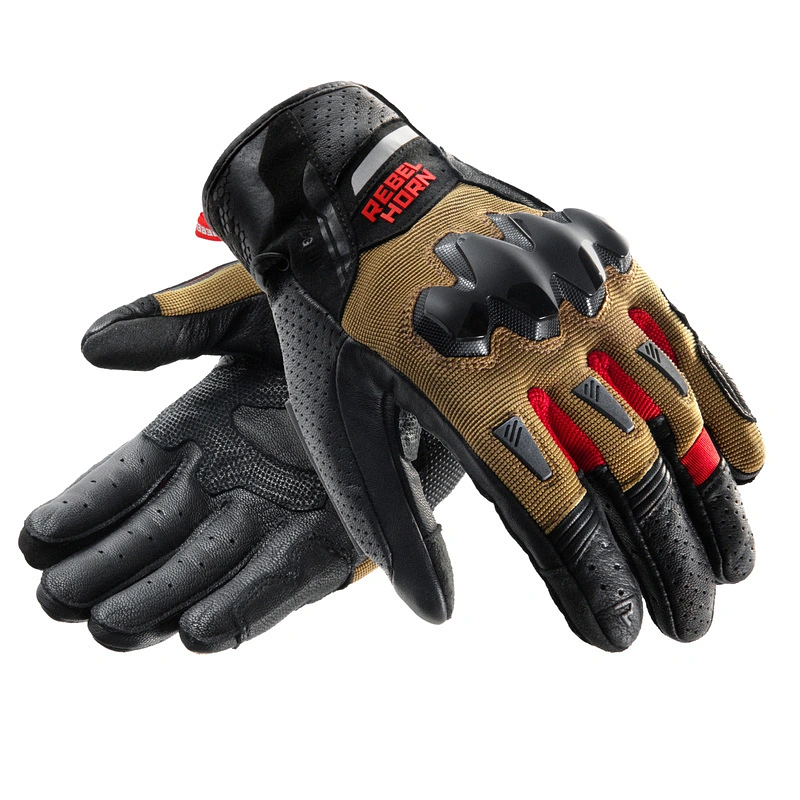
Defender Motorcycle Gloves Desert
Sponsored article